I remember being treated like I was broken. Fragile. Something to protect. Something to tiptoe around. The people who were supposed to help me never asked me what I thought or what I needed. They told me how I should feel, what was “healing” and what was “resistance.” They profited from my brokenness while calling it help. I share this because I know I am not alone. Too many people have been stripped of their agency in the name of healing. That is not trauma-informed. That is trauma-reductionist. And it is part of why I do this work the way I do. Continue Reading

The Koshas, Kleshas and Gunas: Ancient Wisdom for Understanding Yourself
Before I understood the koshas, I was overwhelmed. Thoughts, feelings, emotions, sensations—they were all one ball of noise. The koshas gave me a way to listen to the different parts of myself. To slow down and hear the nuance. And I am not the only one who has been asking these questions. Yoga has been asking them for thousands of years—because they are human questions. Continue Reading
Titration, Pendulation, and the Window of Tolerance: Meeting People Where They Are
Here is something I wish more people knew: the practices of yoga have always been about meeting people where they are. Not forcing them to be somewhere else. Not pushing them to be better, stronger, more flexible, more enlightened. Meeting them exactly where they are. Modern neuroscience and psychology give us language like titration, pendulation, and the window of tolerance to describe what yoga has always known. The words are new, many developed in the 70s-90s. The wisdom is ancient. And together, they give us a way to talk about this work that is grounded, precise, and deeply human. Continue Reading
The Research Says Yoga Improves Body Awareness. But What Does That Actually Mean?
A systematic review finds yoga improves body awareness—but the real story is more nuanced. Drawing on thirty-one studies, this post explores what the research actually says, why the findings are mixed, and how trauma-informed yoga offers something the data can’t fully capture: a path back to trusting your own body. Continue Reading

Somatic Practices for Regulation | Coming Home to Your Body
When we talk about somatic practices for regulation, it’s easy to fall into the language of “fixing” or “hacking” ourselves. As if we’re machines with a glitch that needs troubleshooting. As I’ve explored in Embodied Self Regulation: How the Vayus Help Us, our bodies have their own wisdom—one that doesn’t need fixing— it just needs listening. But you’re not a machine. You’re a living, breathing, feeling human. And your nervous system isn’t broken—it’s responding. Responding to everything you’ve lived through, everything you’ve learned about safety and danger, everything your body has stored along the way. So when we talk about somatic practices—grounding, orienting, resourcing—we’re Continue Reading
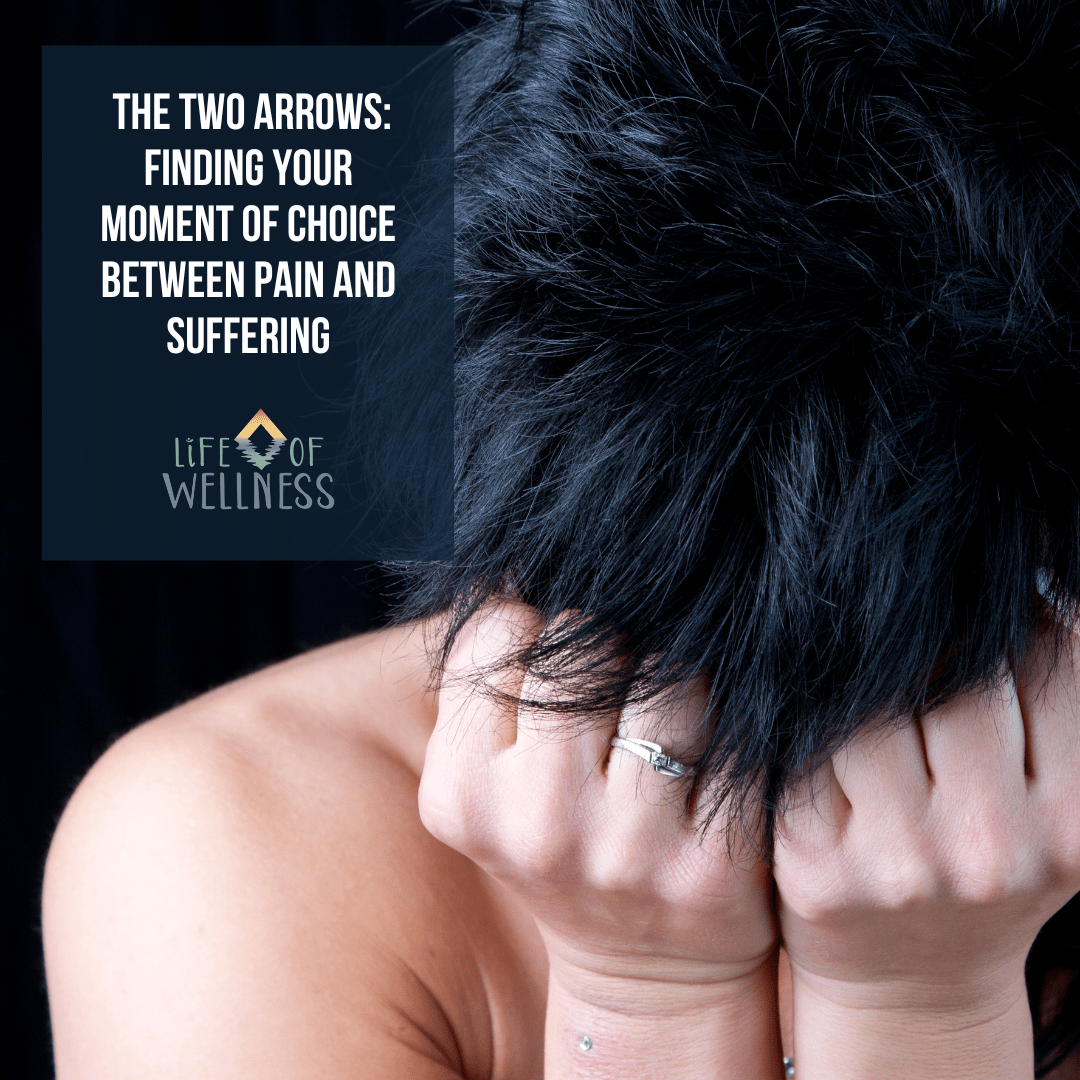
The Two Arrows: Finding Choice Between Pain & Suffering
Explore the Buddhist teaching of the two arrows to understand the difference between pain and suffering. Discover self-compassion practices to find your moment of choice and heal. Continue Reading